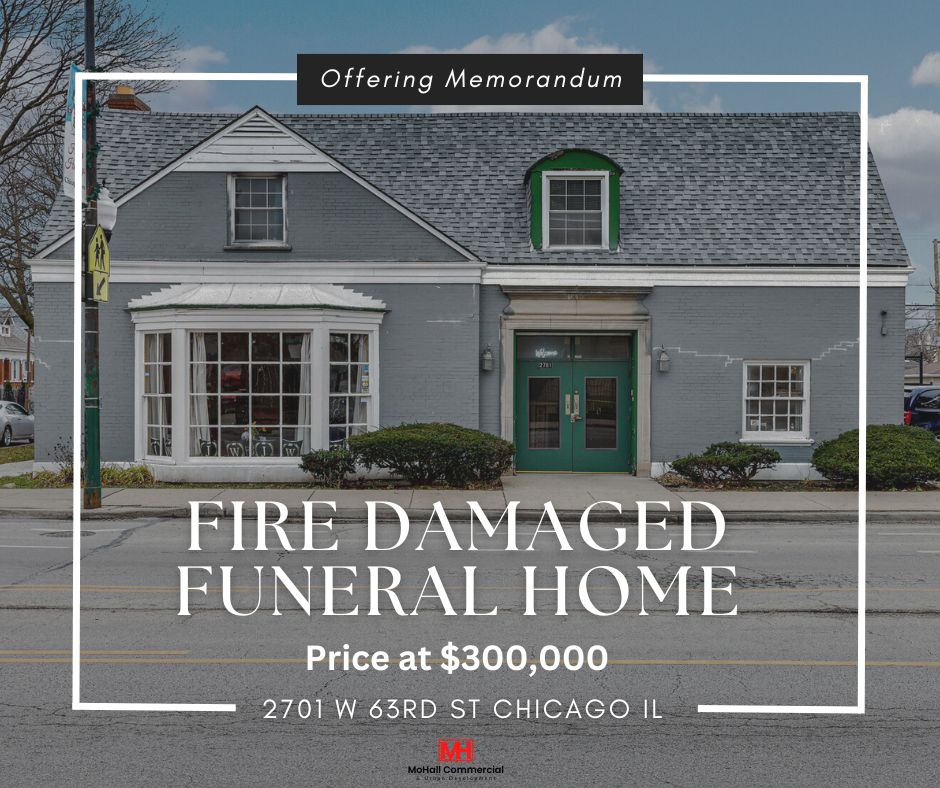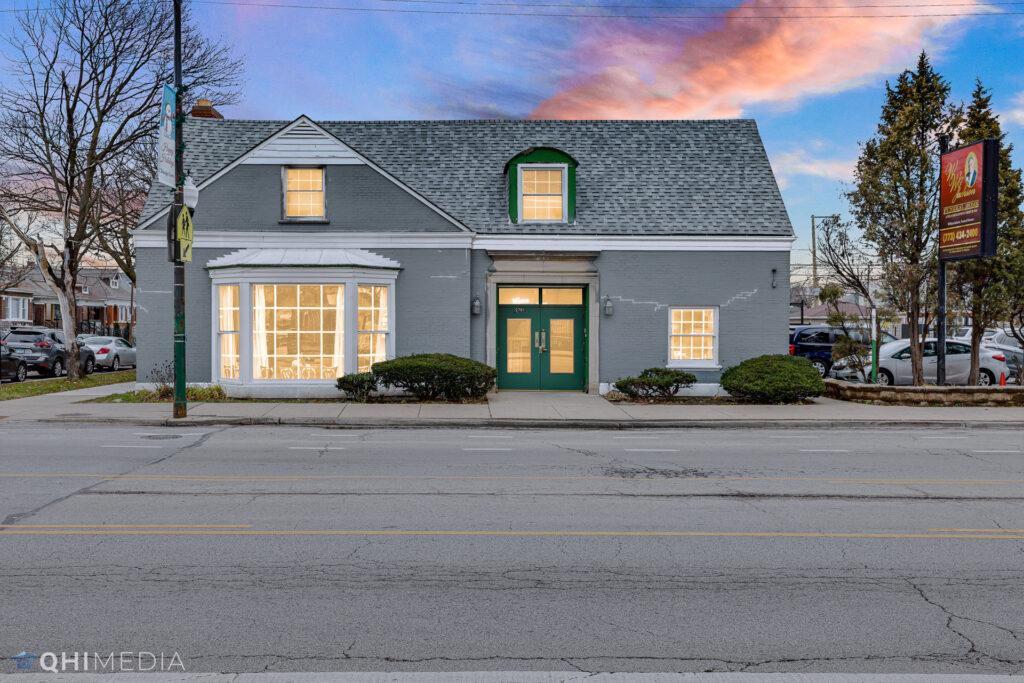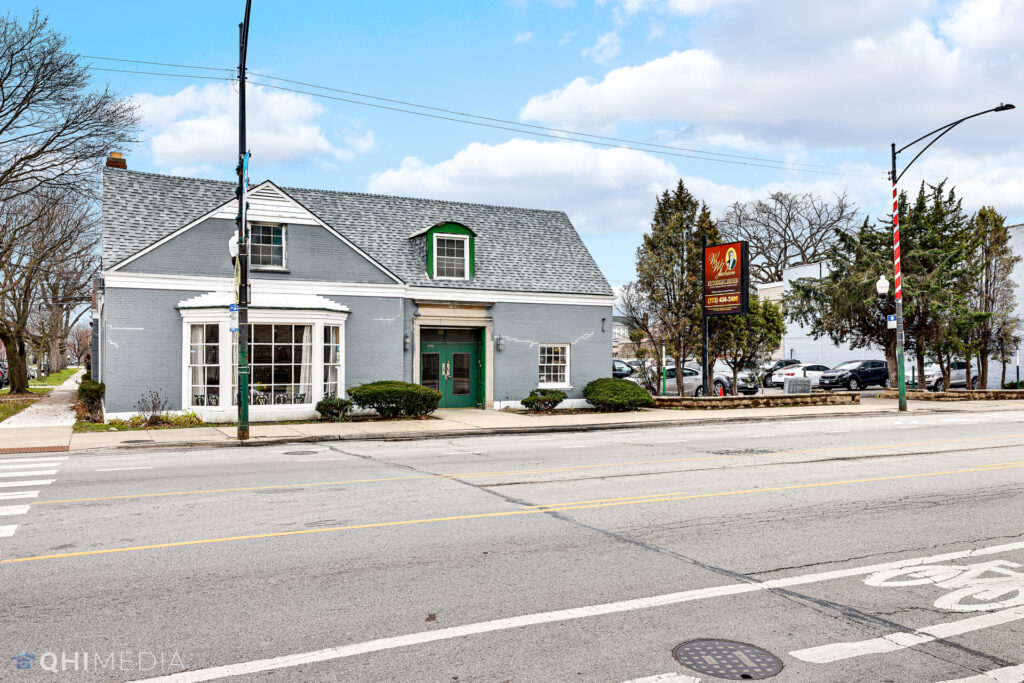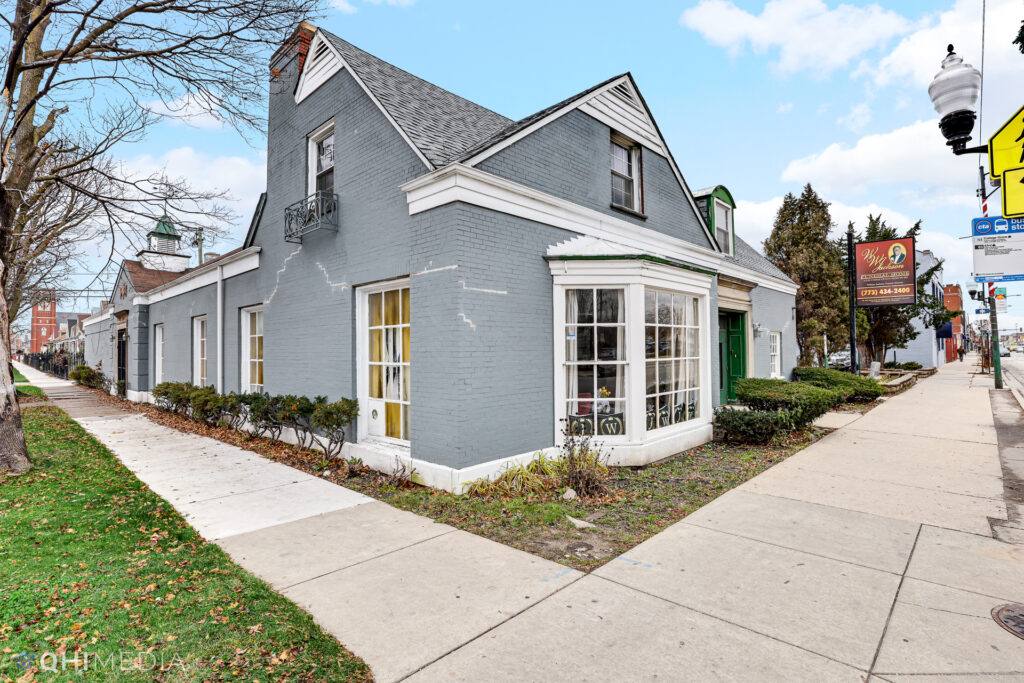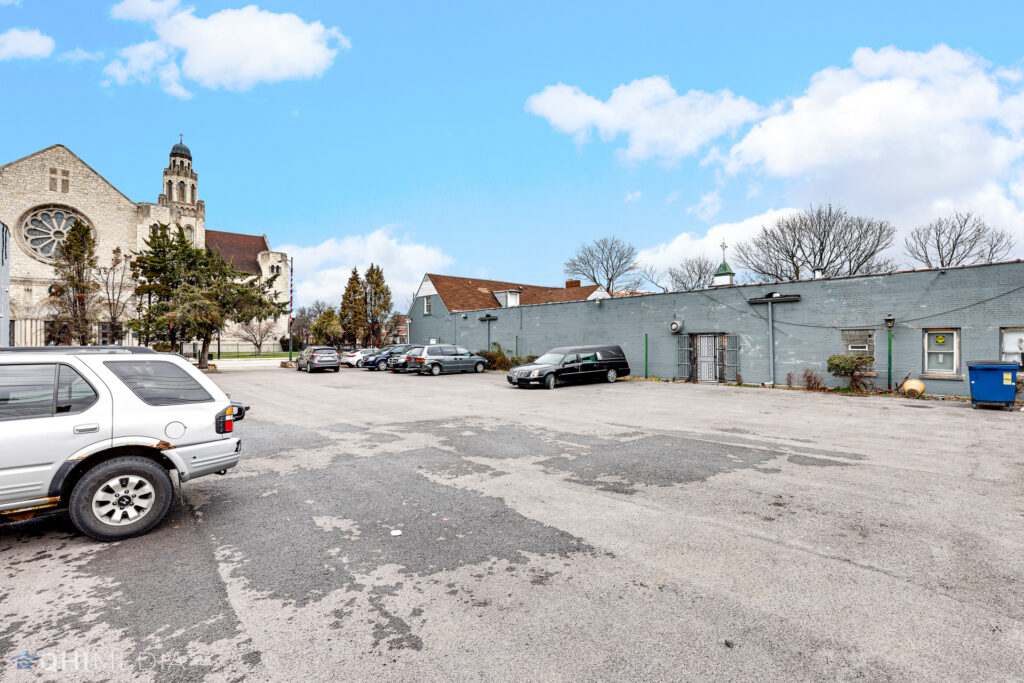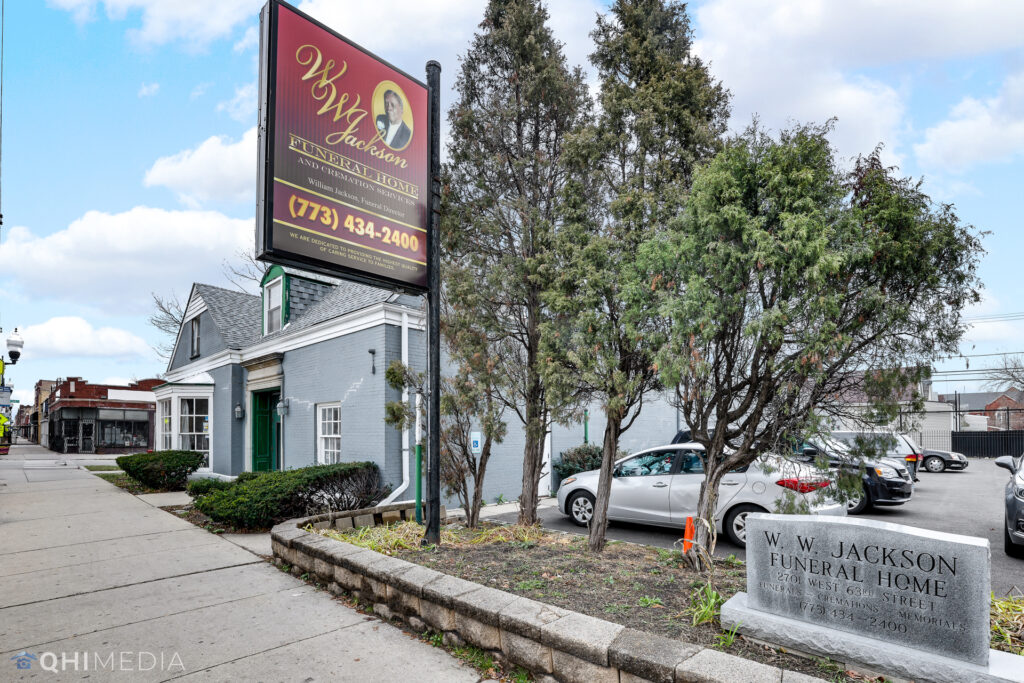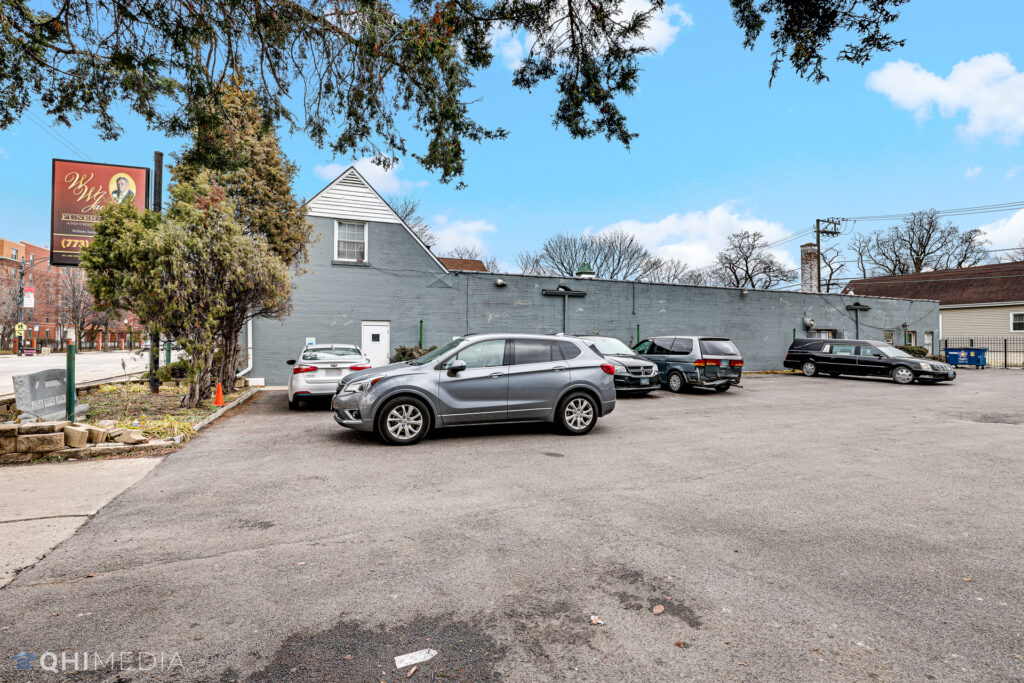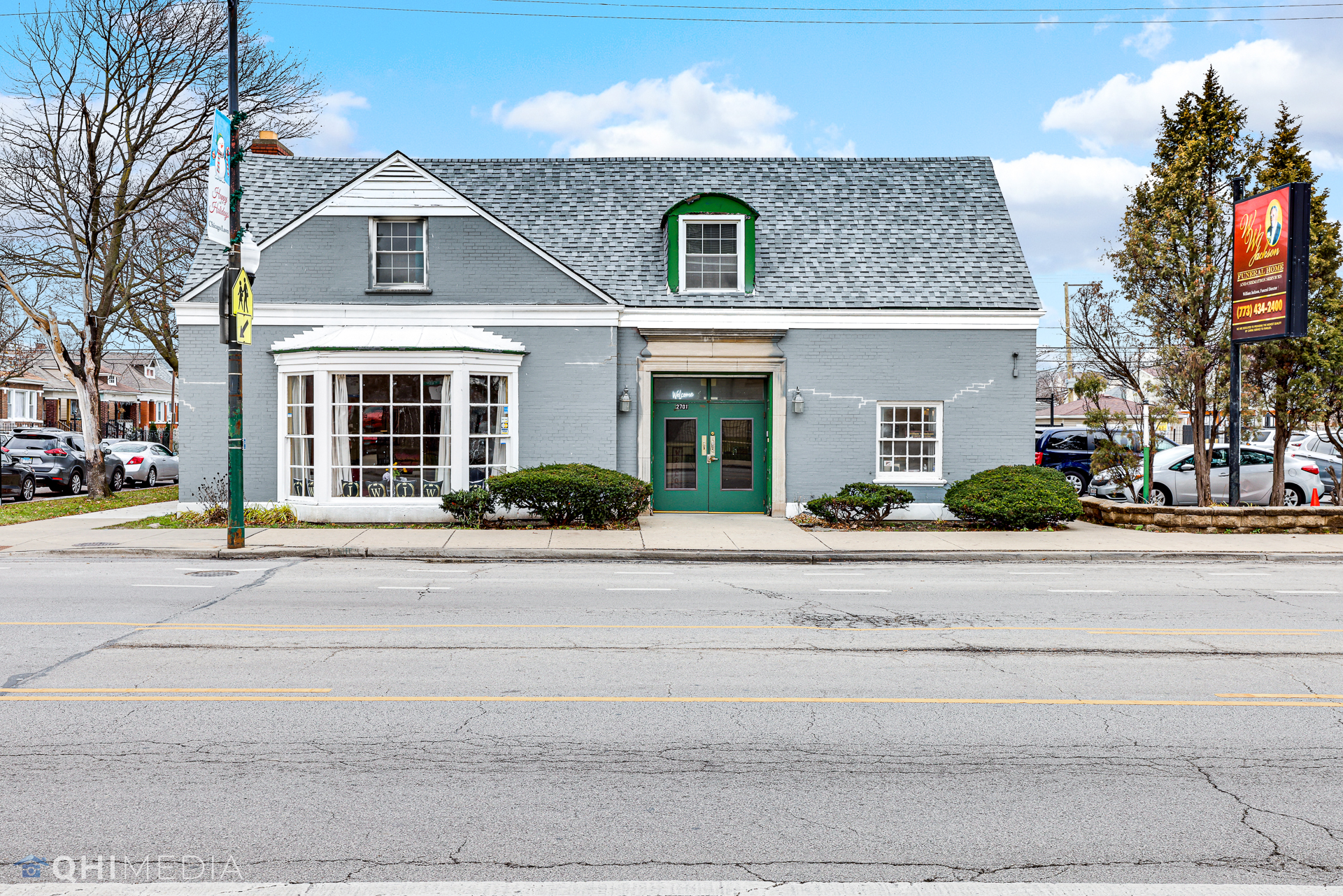
MoHall Commercial & Urban Development presents a rare opportunity to acquire a freestanding commercial building in Chicago’s revitalizing Chicago Lawn neighborhood. Located at 2701 W 63rd Street, this nearly 7,000 square foot building sits on an oversized 17,963 square foot lot with dedicated parking for 20 vehicles, offering exceptional visibility and access along one of the South Side’s most active commercial corridors.
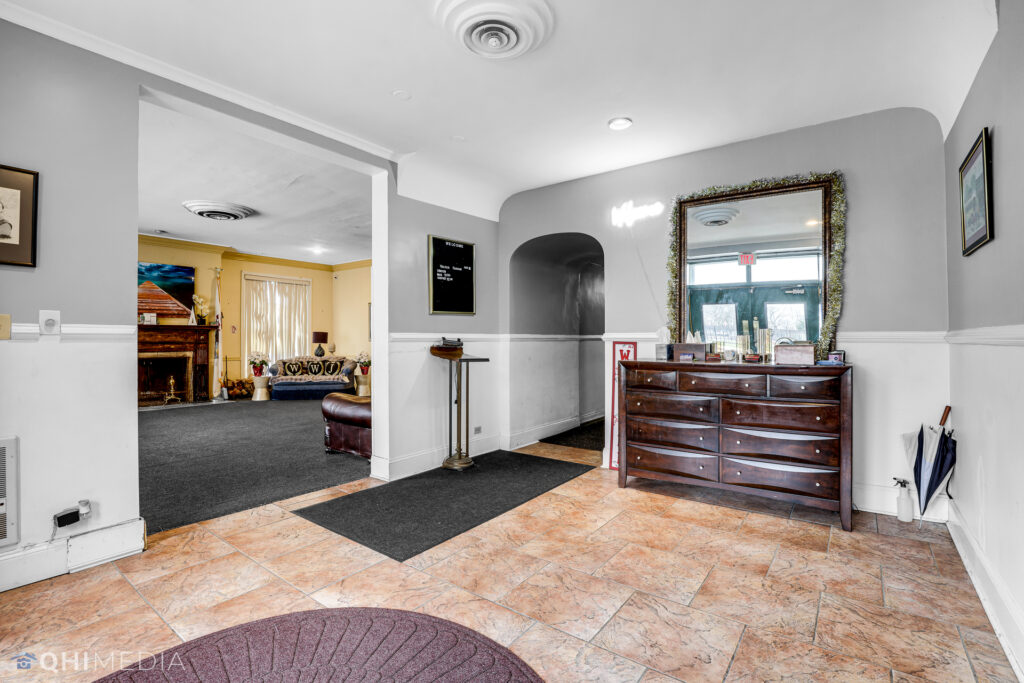
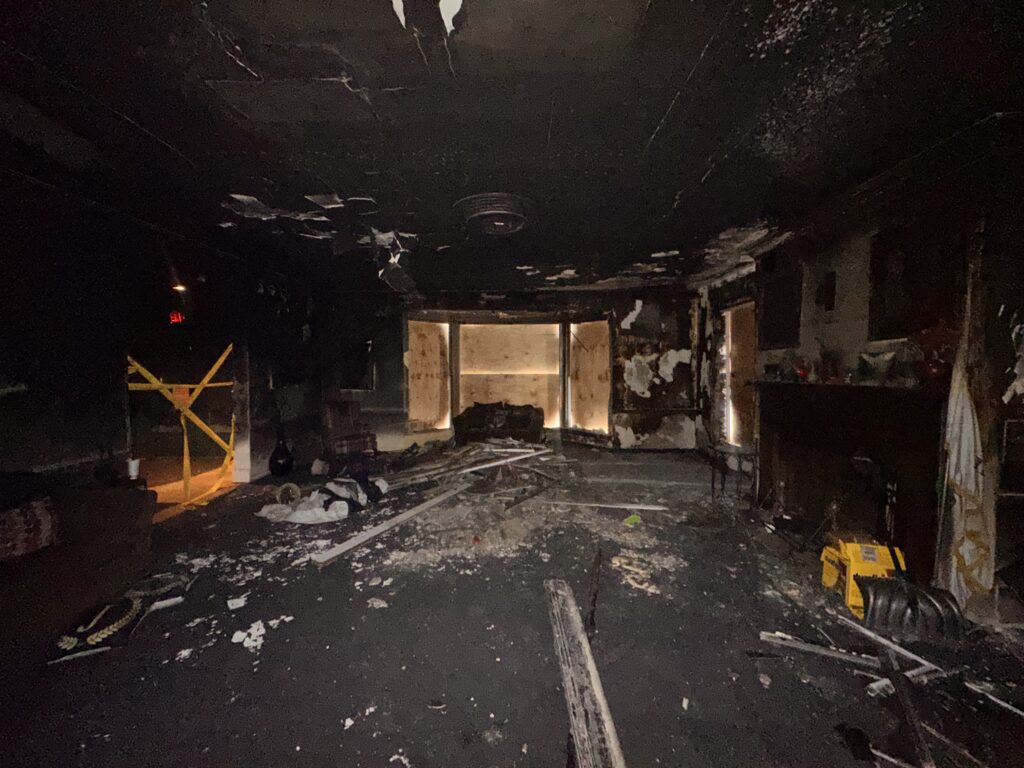
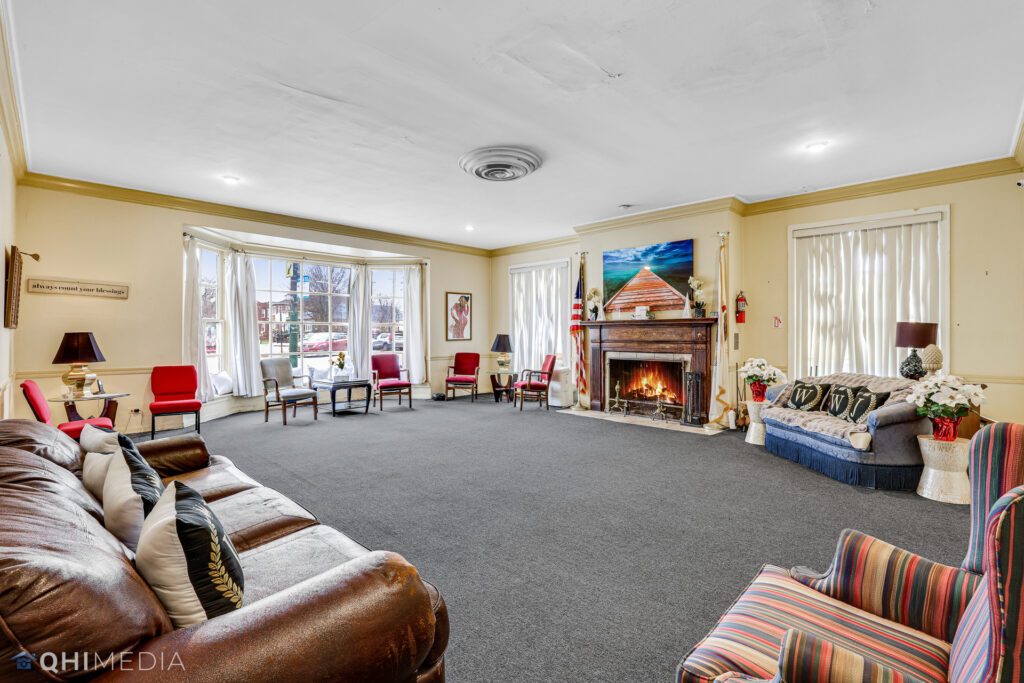
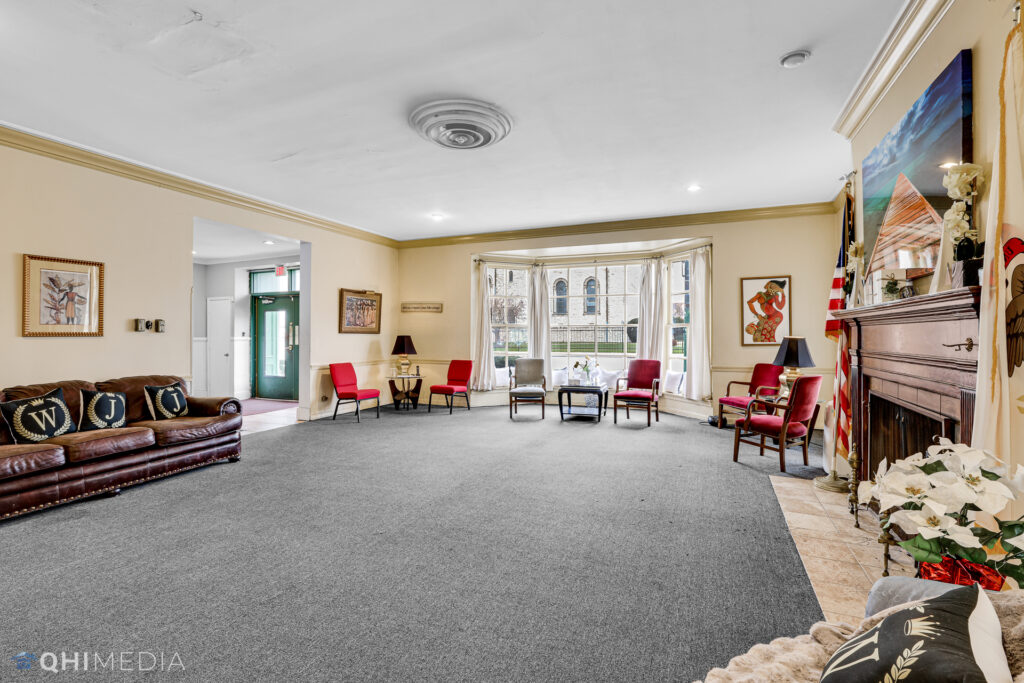
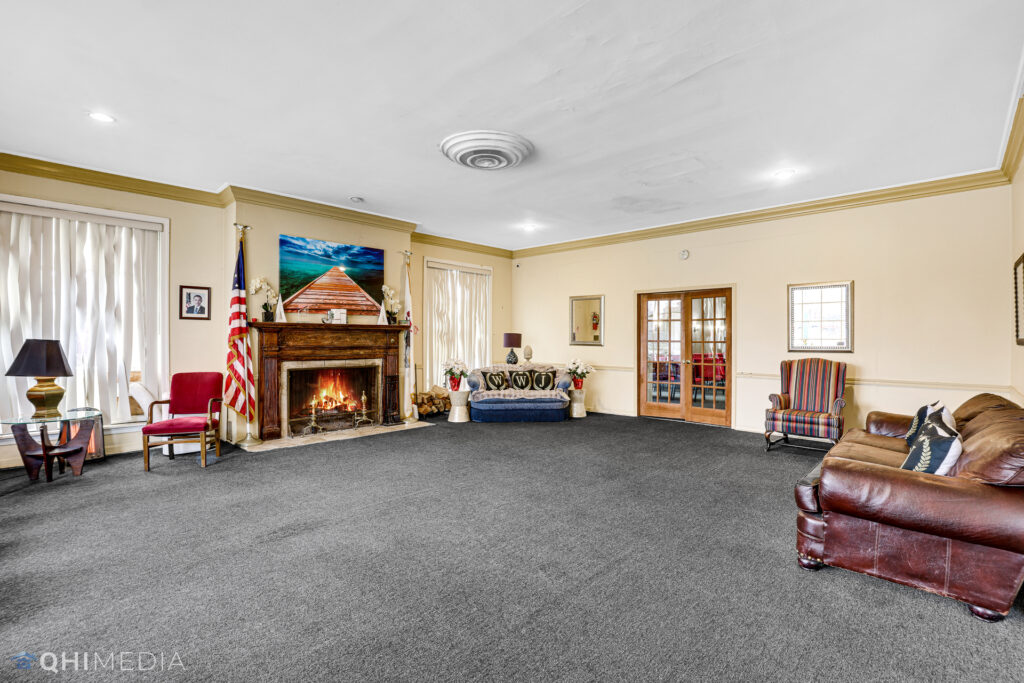
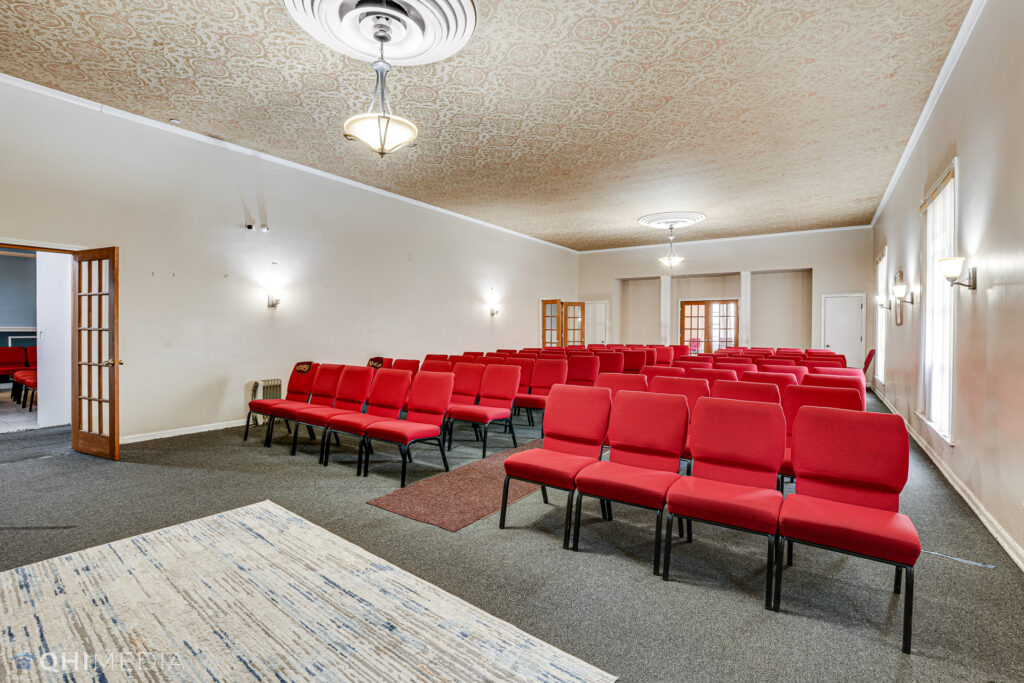
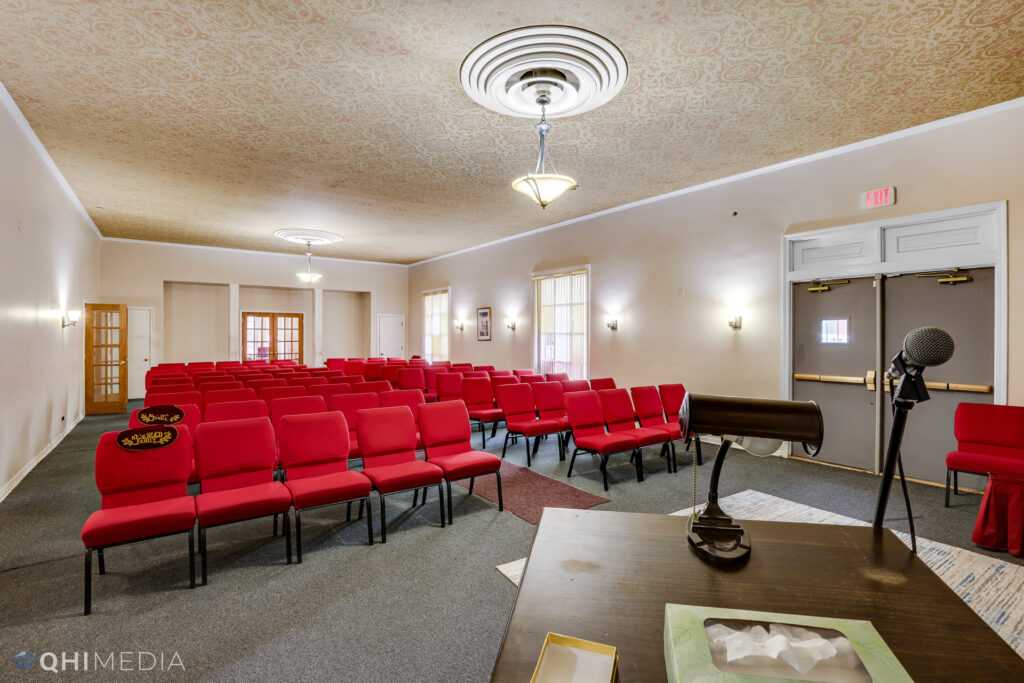
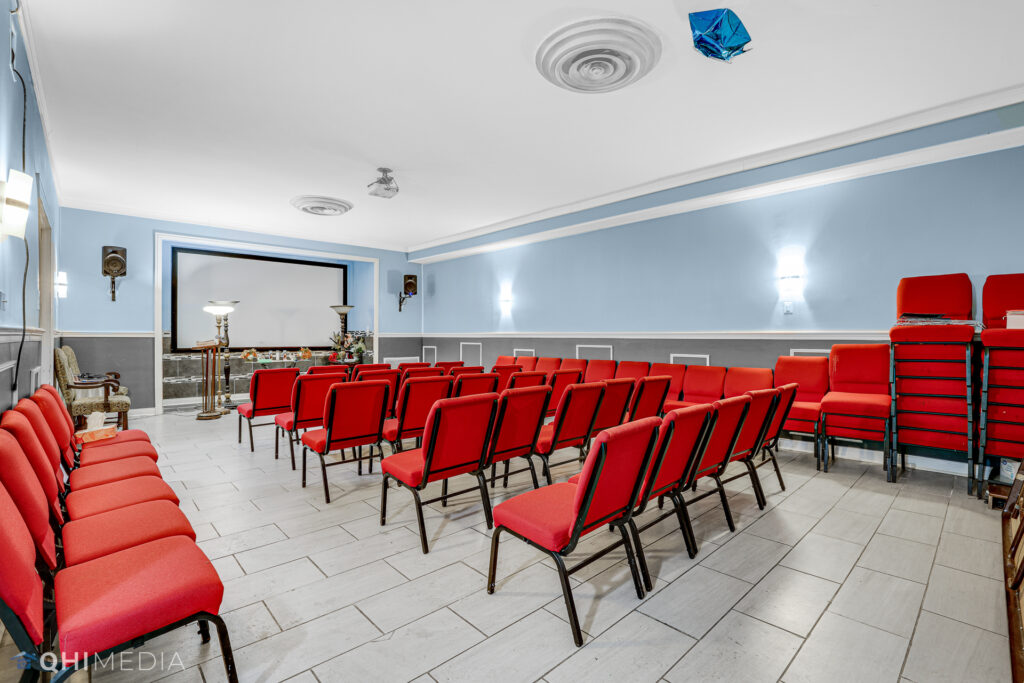
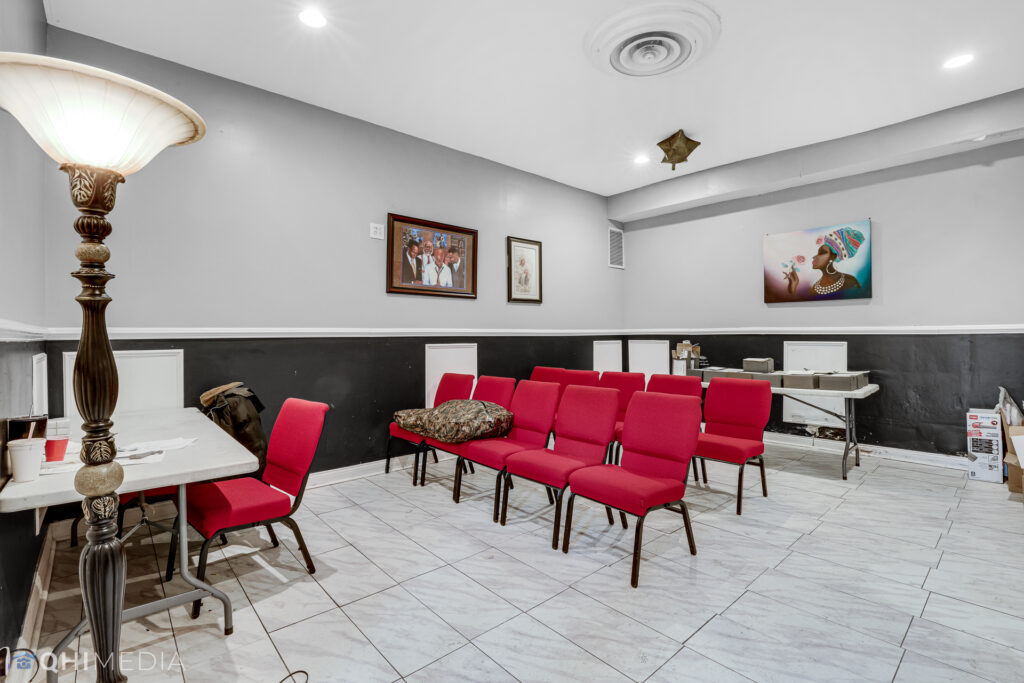
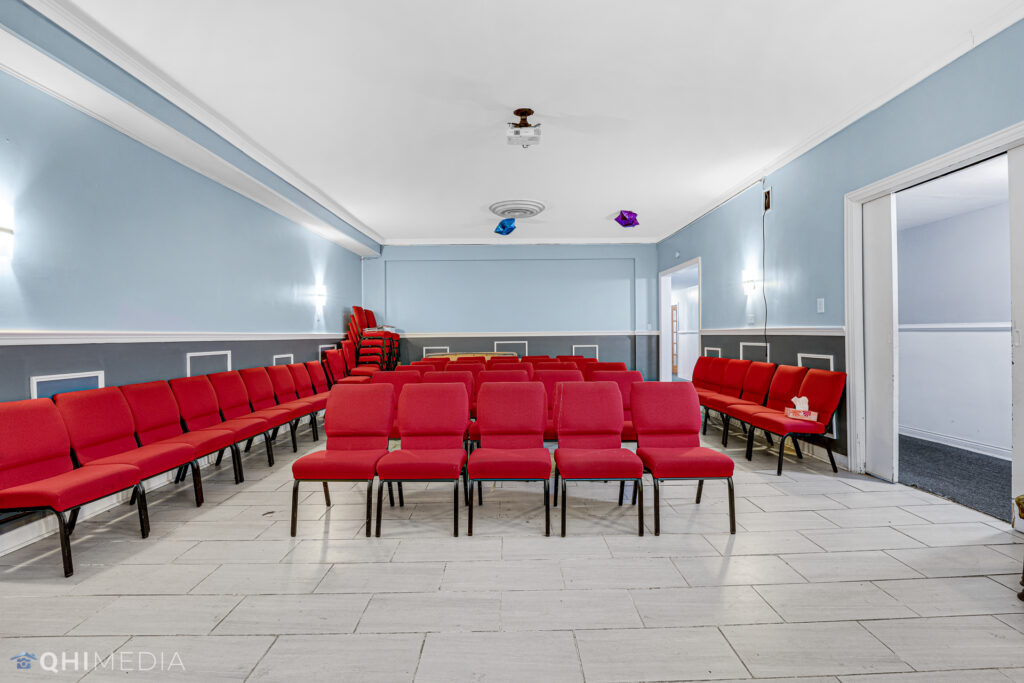
Previously operating as a full-service funeral home, the property includes two large chapels, private offices, a casket display room, professional prep space, and main-level restrooms. A fire recently affected approximately 1,000 square feet in the front sitting area. While the damage is visible and will require remediation, it represents a significant value-add opportunity for a buyer with vision. The existing layout and infrastructure remain largely intact, creating the ideal canvas for repositioning.
This site is zoned B1-1 Neighborhood Shopping District, which allows for retail storefronts on a low-traffic commercial street with the added flexibility of residential units above. It’s a zoning designation perfectly suited for mixed-use redevelopment, institutional reuse, or continued commercial operations. The second floor includes a two-bedroom, one-bath residential unit with separate access—ideal for live-work use, on-site staff, or additional income potential.
Strategically located in Chicago’s 16th Ward under Alderwoman Stephanie D. Coleman, this property is surrounded by schools, churches, active retail nodes, and a dense residential base. With proximity to the CTA Red and Green Line stations, major bus routes, and direct access to I-55 and I-90/94, this site offers unmatched connectivity to downtown Chicago, Midway Airport, and surrounding suburbs.
For established funeral home operators seeking expansion, churches looking to plant a long-term footprint, or commercial developers interested in rehabbing a large South Side asset, this property delivers the fundamentals: land, location, and latent value. Fire damage has created an opening for repositioning at an attractive basis—making this not just a restoration project, but a strategic long-term play in a neighborhood with ongoing public and private reinvestment.